You don't need a $99/month subscription to build a winning SEO strategy. While premium tools like Ahrefs and Semrush are fantastic for scaling, the truth is that free tools are often enough to get started—if you know how to use them.
Keywords are the bridge between your content and your customers. In this guide, we cut through the noise and rank the top free keyword research tools that actually work. Whether you're a startup, a blogger, or an in-house marketer, these tools will help you find high-value search terms without breaking the bank.
Why Free Doesn't Mean Bad
Many SEO beginners assume they can't compete without expensive enterprise software, but that is a myth. In fact, some free tools offer advantages that paid suites miss. For example, Google Keyword Planner gives you data straight from the source, while smaller tools like Soovle can uncover long-tail questions that big algorithms often overlook.
Most importantly, using free tools forces you to manually analyze the search results (SERPs) yourself. This manual work gives you a much deeper understanding of user intent—the "why" behind the search—which is far more valuable than any automated metric.
Top 7 Free Keyword Research Tools
1. Google Keyword Planner (GKP)
Best For: Getting data directly from the source.
Originally designed for Google Ads, this is still the gold standard for reliable search volume data. It doesn't guess; it tells you exactly what users are typing into Google. While the data can sometimes show broad ranges (like 1k-10k) if you aren't running ads, the ability to filter by specific cities makes it unbeatable for local SEO.
Figure 1: Google Keyword Planner remains the foundation of free search data analysis in 2026.
2. Ubersuggest
Best For: A clean, all-in-one SEO dashboard experience.
Created by Neil Patel, Ubersuggest feels like a lite version of the expensive enterprise tools. It offers a beautiful interface that makes data easy to digest, including Keyword Difficulty (KD) scores to help you identify terms you can actually rank for. Just be mindful of the daily search limits on the free plan.
3. Google Search Console (GSC)
Best For: Optimizing content you already have.
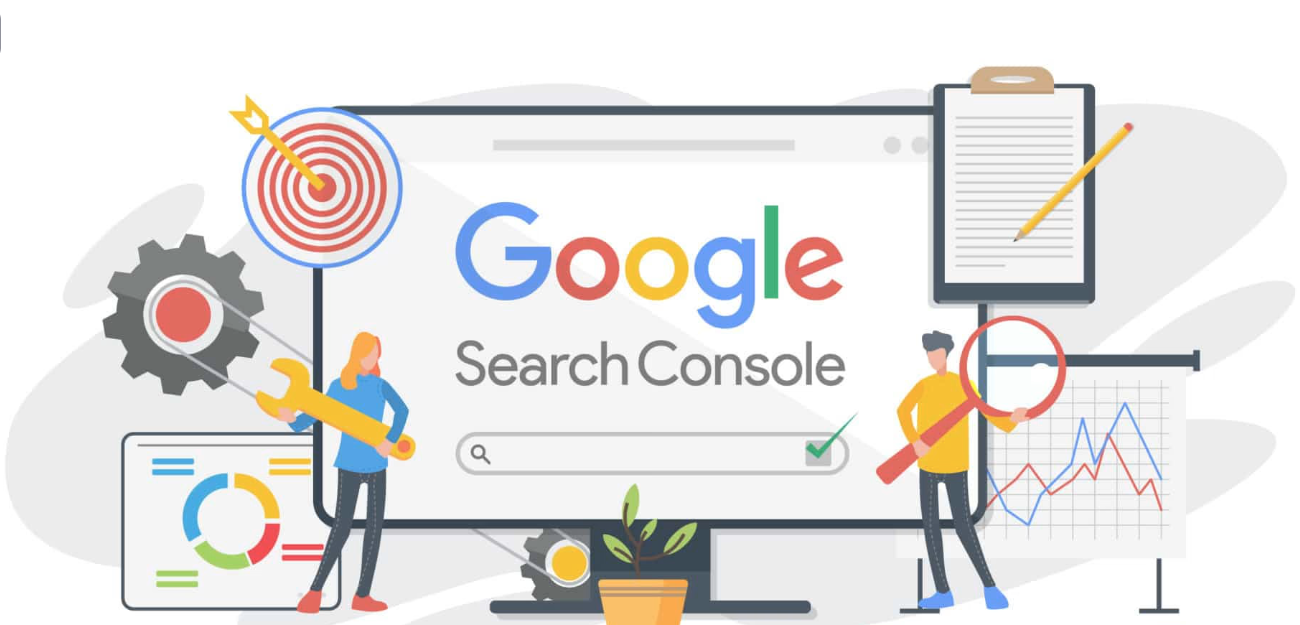
Most tools tell you what you could rank for; GSC tells you what you already rank for. It is arguably the most underrated tool in existence. The best strategy here is to look for keywords where you currently rank on Page 2 (Positions 11-20) and update those pages to bump them to Page 1.
Figure 2. Visualizing your organic search performance and technical site health.
4. AnswerThePublic
Best For: Finding blog topics and specific user questions.
This visual tool listens to autocomplete data and visualizes it as a mind map. It helps you get inside the user's head—instead of just searching for "coffee maker", it shows you "which coffee maker is best for camping". It's perfect for structuring your H2 headings.
Figure 3. Visualizing the "Who, What, Where" questions your audience is asking.
5. Keyword.io
Best For: Long-tail keywords across YouTube and Amazon.
People don't just search on Google. Keyword.io scrapes autocomplete suggestions from YouTube, Amazon, Bing, and Wikipedia. It’s fantastic for finding e-commerce product keywords and video topic ideas that standard SEO tools might miss.
6. Google Trends
Best For: Seasonal content and newsjacking.
Keyword volume averages can be misleading because they look at historical data. A keyword might have zero volume because it's brand new. Google Trends allows you to identify rising topics before they show up in other tools, giving you a first-mover advantage.
Figure 4. Track seasonal spikes and validate keyword longevity before you create content.
7. Soovle
Best For: Rapid brainstorming.
Soovle is a simple, customizable engine that shows you autocomplete suggestions from Google, Bing, Yahoo, and Amazon all on one screen simultaneously. It’s the fastest way to see the big picture of a topic across the entire web.
When Should You Upgrade to Paid Tools?
Free tools are excellent, but they trade money for time. You typically have to stitch data together from three or four different sources to get a complete picture.
Eventually, tools like Semrush or Ahrefs become necessary when you need to scale. If you need to track hundreds of keywords automatically, perform deep competitor espionage, or run "Gap Analysis" to find missed opportunities, a paid subscription will pay for itself by saving you countless hours of manual work.
How to Build a Strategy (Not Just a List)
Collecting keywords is easy; building a map is hard. Here is a simple workflow to turn data into traffic:
Start broad by using Google Keyword Planner to find your main seed keywords. Once you have a general direction, use AnswerThePublic to find the specific questions users are asking about those topics.
Before you write a single word, check the intent. Google your chosen keywords and look at the results. If the results are all product pages, don't write a blog post. If they are all articles, don't create a product page. Always prioritize relevance to your business over high search volume, which is the core of effective content marketing.
Frequently Asked Questions
Q: Can I do SEO completely for free?
A: Yes. Content relevance and quality matter much more than the software you use. Paid tools simply provide convenience and deeper data analysis.
Q: What is Keyword Difficulty?
A: It is an estimate of how hard it is to rank for a term. As a new site, you should target keywords with lower difficulty to build authority, even if they have lower search volume.
Q: How many keywords should I focus on per page?
A: Pick one main keyword per page. Then, include 2-3 related variations (secondary keywords) naturally within the text. Never force keywords in where they don't belong—Google's AI is smart enough to understand context without keyword stuffing.
All in all, effective keyword research isn't about having the most expensive software; it's about understanding your audience. These free tools give you all the data you need to start ranking and driving traffic.
Need help turning these keywords into revenue?
If you've done the research but aren't seeing the results, your technical foundation or content strategy might need a review. Contact the ProsearchLab team today—we help businesses turn search data into sustainable growth.
References
- Google Ads. (2026). Keyword Planner: Research keywords for campaigns. https://ads.google.com/home/tools/keyword-planner/
- Zapier. (2026). The 4 best free keyword research tools. https://zapier.com/blog/best-keyword-research-tool/
- Gracker.ai. (2026, February 25). The 10 best free keyword research tools in 2026. https://gracker.ai/blog/best-free-keyword-research-tools
- TechRadar. (2026, January 26). Best free SEO keyword research tool of 2026. https://www.techradar.com/best/best-free-seo-keyword-research-tools-for-year