Google penalties represent a challenge. As search algorithms become increasingly sophisticated, understanding what triggers these penalties and how to avoid them has become important for maintaining online visibility and business success.
What Are Google Penalties?
A Google penalty occurs when Google's algorithms or manual review team determines that a website violates the search engine's quality guidelines. These penalties result in reduced search rankings, decreased organic traffic, or complete removal from search results. Google implements penalties to maintain search quality and ensure users find trustworthy content.
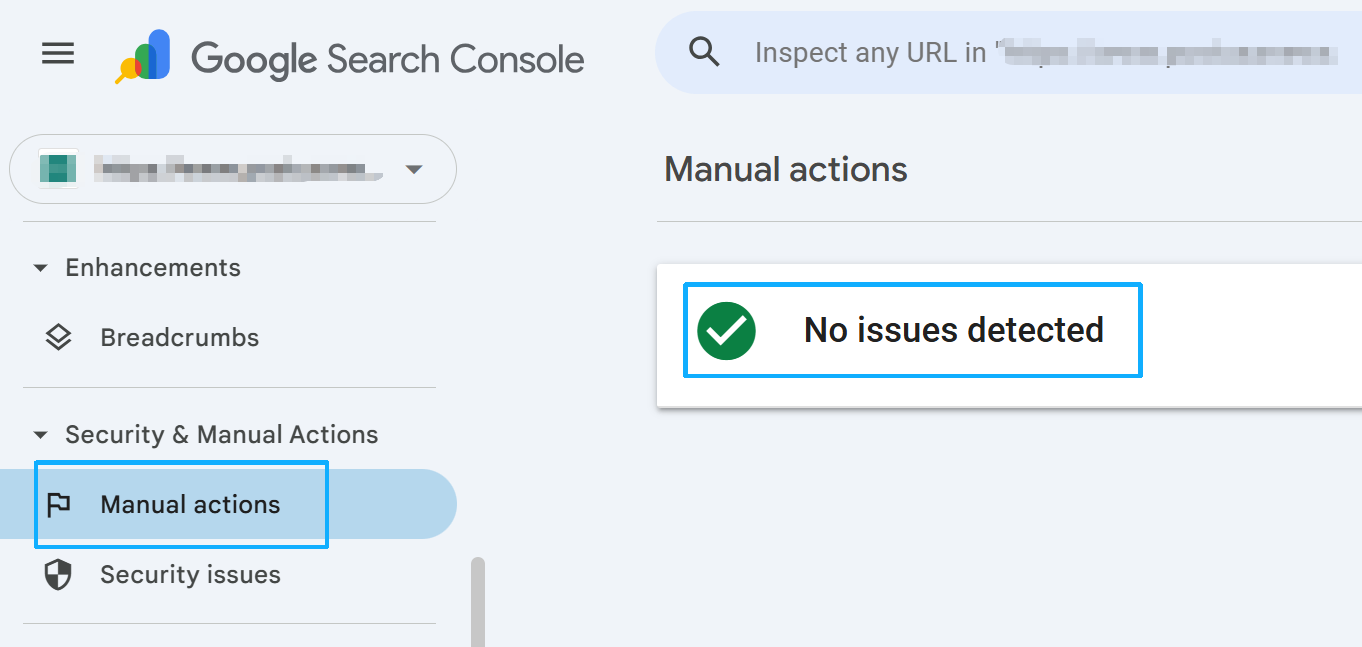
There are two primary types of Google penalties. Algorithmic penalties happen automatically when Google's systems detect guideline violations during regular crawling and indexing processes. Manual penalties occur when Google's human reviewers identify violations and take direct action against a website. Both types can significantly impact your website's performance, though manual penalties may be more severe.
Figure 1: Check if manual penalties have been applied in Google Search Console.
Common Reasons for Google Penalties
Understanding why Google issues penalties helps website owners maintain compliant SEO practices. Poor content quality ranks among the most frequent causes of penalties. This includes thin content with little value, duplicate content across multiple pages, or keyword stuffing that makes text difficult to read. To avoid this, you must learn how to write SEO-optimized articles that prioritize quality.
Unnatural link patterns also trigger penalties frequently. Google scrutinizes websites that acquire backlinks through manipulative methods, such as using automated link-building tools. The search engine's algorithms can detect these and respond accordingly.
Technical violations represent another major category of penalty triggers. Cloaking, where different content is shown to search engines versus users, violates Google's guidelines. Hidden text or links, sneaky redirects, and malicious behavior like malware distribution also result in penalties.
User experience factors increasingly influence Google's penalty decisions. Websites with excessive advertising, intrusive pop-ups, or misleading content may face algorithmic demotions. Mobile usability issues and slow loading speeds can also contribute to ranking penalties under Google's page experience signals.
Consequences of Google Penalties
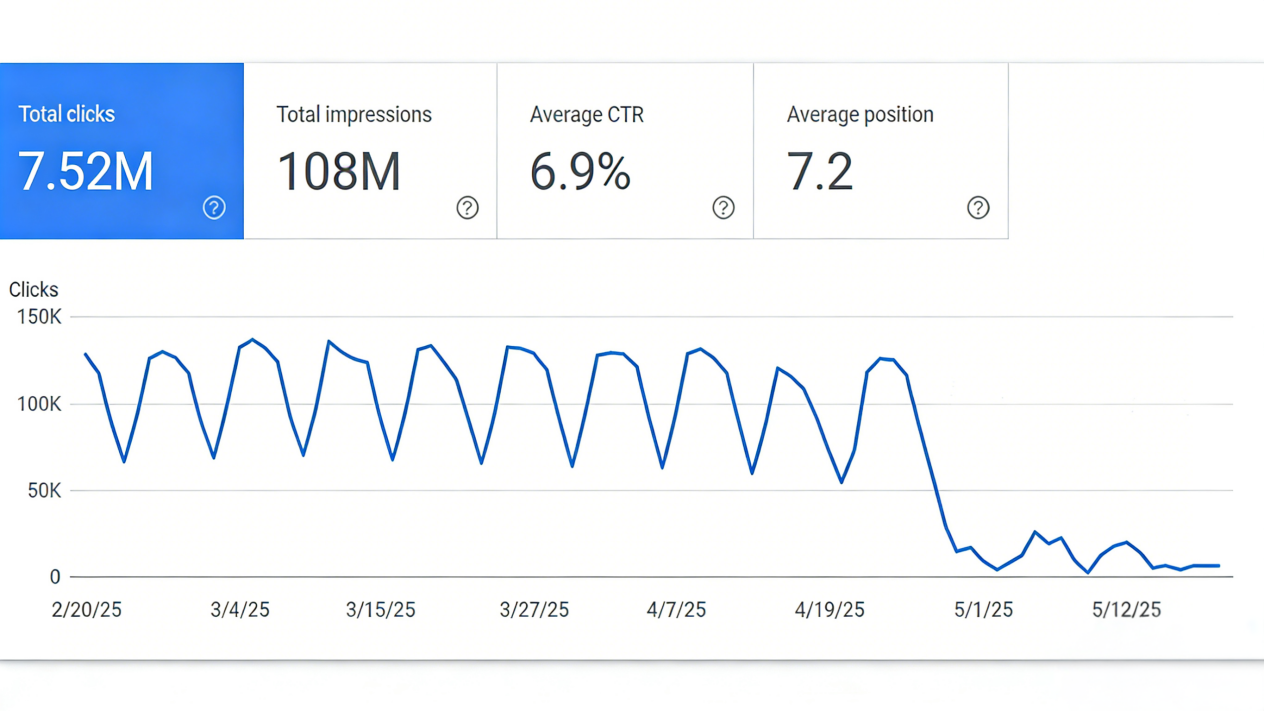
Figure 2: Suffered Google Penalties leading to a sharp drop in search visibility
The impact of Google penalties extends far beyond simple ranking drops. Traffic losses often occur suddenly and dramatically, with some websites experiencing 50-90% reductions in organic visitors overnight. These traffic decreases directly translate to reduced leads, sales, and revenue for businesses relying on search engine visibility.
Recovery time varies significantly depending on penalty severity and response effectiveness. Minor algorithmic penalties might resolve within weeks of implementing corrections, while severe manual penalties can take months or even years to overcome completely. During this period, businesses often struggle to maintain their online presence and customer acquisition.
Brand reputation also suffers when penalties occur. Users may lose trust in websites that disappear from search results or show warning messages. This reputation damage can persist even after successful penalty recovery, making prevention crucial for long-term success.
Recovery Strategies After Penalties
Successful penalty recovery requires systematic identification and resolution of underlying issues. Begin by analyzing your website's recent performance data, or invest in a comprehensive SEO audit, to pinpoint when traffic drops occurred. Google Search Console provides valuable insights into manual actions and can help identify specific problems requiring attention.
Content improvement forms the foundation of most recovery efforts. Remove or substantially rewrite thin, duplicate, or low-quality content. Focus on creating comprehensive, original material that genuinely serves user needs. Ensure all content follows natural writing patterns without excessive keyword repetition.
Link profile cleanup often proves necessary for recovery. Conduct thorough backlink audits to identify potentially harmful links pointing to your website. Contact webmasters to request link removal, and use Google's disavow tool for links you cannot have removed directly. Document all cleanup efforts for potential reconsideration requests.
Technical fixes address violations related to website structure and functionality. Remove any hidden text or links, eliminate cloaking practices, and ensure your website presents identical content to users and search engines. Improve page loading speeds and mobile compatibility to meet Google's technical standards. If these backend issues seem overwhelming, our technical SEO experts can resolve them for you.
For manual penalties, submitting a reconsideration request becomes necessary after addressing all identified issues. Provide clear documentation of the problems found and specific actions taken to resolve them. Be honest about past mistakes and demonstrate commitment to following Google's guidelines going forward.
Prevention Through Proper SEO Practices
Preventing Google penalties requires consistent adherence to established SEO best practices and knowing how to avoid bad SEO practices. Focus on creating high-quality, original content that provides real value to your target audience. Regular content audits help identify and improve underperforming pages before they become penalty risks.
Build backlinks naturally through legitimate outreach, quality content creation, and relationship building within your industry. Avoid any link-building tactics that seem manipulative or artificially inflate your link count. Quality consistently outweighs quantity in sustainable link-building strategies.
Stay informed about Google's algorithm updates and guideline changes. Subscribe to official Google communications and reputable SEO news sources to understand evolving requirements. Regular website audits help identify potential issues before they trigger penalties.
Maintain technical aspects of your website. Ensure fast loading speeds, mobile compatibility, secure HTTPS connections, and clean code structure. Monitor your website regularly for security issues, malware, or other technical problems that could trigger penalties.
Frequently Asked Questions
Q: How long do Google penalties last?
A: Penalty duration varies significantly based on the violation type and response quality. Algorithmic penalties may lift within weeks of implementing fixes, while manual penalties often require months of sustained effort and may need reconsideration requests.
Q: Can I prevent all Google penalties?
A: While no website is completely immune to penalties, following Google's guidelines significantly reduces risk. Regular monitoring, quality content creation, and ethical SEO practices provide strong protection against most penalty types.
Q: Should I hire professionals for penalty recovery?
A: Complex penalties often benefit from professional expertise, particularly those involving extensive link cleanup or technical violations. So it's best to contact a specialist to help you recover.
Q: Will my rankings return to previous levels after recovery?
A: Recovery doesn't guarantee a return to previous ranking positions, as Google's algorithms and competition constantly evolve. However, addressing penalty causes typically results in improved performance compared to the penalized state.
Once a Google penalty is imposed, the consequences are severe. Understanding and avoiding Google penalties requires ongoing attention to quality standards and best practices. By employing sound, compliant SEO methods, website owners can achieve sustained growth while avoiding penalties.
References
- Google Search Central. (2026). Spam policies for Google Search and AI results. Google Developers. https://developers.google.com/search/docs/essentials/spam-policies
- Google Search Central. (2026). Manual actions and penalties. Google Developers. https://developers.google.com/search/docs/monitor-debug/manual-actions
- Search Engine Journal. (2025). Google penalties: Complete guide to understanding and recovery. https://www.searchenginejournal.com/google-penalties-guide/
- Moz. (2025). Google algorithm updates and your site: Understanding penalties. https://moz.com/learn/seo/google-algorithm-penalties
- Ahrefs. (2026). How to recover from Google penalties: Step-by-step guide. https://ahrefs.com/blog/google-penalty-recovery/