Every day, billions of people use search engines like Google to find information, products, and services. But how exactly do search engines work? As the owner of a website, understanding the basic functions and principles of search engines can help increase the visibility of your website and create a better user experience.
The Three Main Steps of Search Engine Operation
Search engines work through three primary processes: crawling, indexing, and ranking. These steps happen continuously as search engines update their databases with new and changed content.
1. Crawling
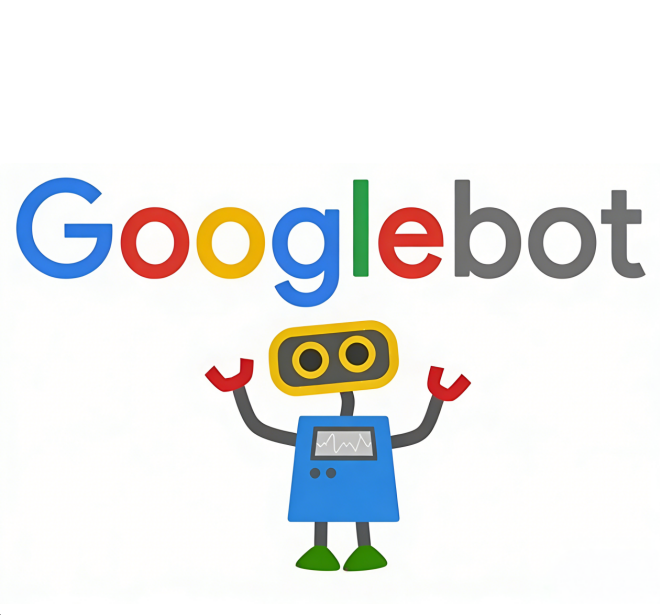
Crawling is the discovery process. Search engines use automated programs called "crawlers" or "bots" to browse the internet and find web pages. Google's main crawler is called Googlebot.
Googlebot crawler illustration for SEO
These crawlers follow links from one page to another, similar to how you might browse the web by clicking links. They start with a list of known web pages and discover new pages by following the links on those pages. Crawlers look at various types of content, including text, images, videos, and PDFs. However, they cannot access content that requires passwords or content blocked by robots.txt files.
2. Indexing
After crawling, search engines analyze and store the information they find, a process known as indexing. In this stage, search engines analyze the content and context of each page, process media like images and video files, store details about the page’s topic, quality and relevance, and organize all this data in massive databases. The index can be thought of as a giant library catalog, which helps search engines quickly locate relevant pages when users search for specific terms.
3. Ranking
When you search for something, the search engine doesn't search the entire internet in real-time. Instead, it searches its index and uses complex algorithms to determine which pages are most relevant and useful for your query. The ranking process considers hundreds of factors to decide which pages should appear first in search results.
How Google's Algorithm Works
Google uses sophisticated algorithms to rank web pages. While Google keeps the exact details of its algorithm secret, we know it considers many factors.
Content Quality and Relevance
Google prioritizes pages that provide valuable and comprehensive information. The content should match what users are searching for and answer their questions. Learning how to write SEO-optimized articles is crucial to meet these quality standards.
User Experience Signals
Google will take into account the interaction patterns between users and the website. For example, it will consider factors such as page loading speed, website compatibility for mobile devices, the time users spend on the page, and the bounce rate.
Authority and Trust
Google assesses the credibility of websites by considering the backlinks from other well-known websites, the age and history of the domain name, the expertise of the author, and the security of the website.
Technical SEO Elements
The technical factors that affect rankings include: website structure and organization, meta tags and descriptions, URL structure, XML sitemaps, and schema markup.
Google's Core Algorithm Updates
Google regularly updates its algorithm to improve search results. Major updates often have names like Panda, Penguin, or Core Updates. These updates can significantly impact website rankings. The goal of Google's algorithm update is to provide users with higher-quality content, enhance their user experience, and combat manipulative search engine optimization practices. Websites caught using these manipulative practices often face severe Google penalties.
How Search Results Are Personalized
Google personalizes the search results based on various factors, such as location, time, and device type. This means that for the same search term, different users may see different search results depending on their own circumstances and preferences. Furthermore, with the rise of AI, you also need to understand how to rank in AI search results alongside traditional personalized searches.
Frequently Asked Questions
Q: How long does it take for Google to index a new website?
A: Google typically discovers and indexes new websites within a few days to several weeks. You can speed up this process by submitting your sitemap through Google Search Console and ensuring your site has good internal linking.
Q: Why did my website's ranking suddenly drop?
A: Ranking changes can happen due to algorithm updates, increased competition, technical issues, or changes in user search behavior. Regular monitoring and maintaining SEO best practices can help minimize negative impacts.
Q: Do I need to pay Google to appear in search results?
A: No, organic search results are free. However, you can pay for ads through Google Ads, which appear separately from organic results. Good SEO practices can help you rank well without paying for ads.
Q: How often does Google crawl websites?
A: Crawling frequency varies based on factors like site authority, update frequency, and technical performance. Popular sites might be crawled daily, while others might be crawled weekly or monthly.
Q: Can I guarantee first-page rankings?
A: No legitimate SEO service can guarantee specific rankings. Google's algorithm considers hundreds of factors and changes regularly. Focus on creating quality content and following SEO best practices for sustainable results.
Q: What's the difference between crawling and indexing?
A: Crawling is the discovery process where search engines find your pages. Indexing is the analysis and storage process where search engines understand and catalog your content. A page can be crawled but not indexed if it doesn't meet quality standards.
Understanding how search engines work helps website owners develop smart SEO strategies. While search engine algorithms are complex and constantly evolving, focusing on creating high-quality, user-centric content remains the foundation of SEO success. If you still have questions about search engine optimization, the ProsearchLab can help you find answers.
References
- Google Search Central. (2026, February 12). How search works. Google Developers. https://developers.google.com/search/docs/fundamentals/how-search-works
- Moz. (2025). Beginner’s guide to SEO. Moz. https://moz.com/beginners-guide-to-seo
- Search Engine Journal. (2025, November 8). Google algorithm updates history. Search Engine Journal. https://www.searchenginejournal.com/google-algorithm-history/
- Ahrefs. (2025, August 20). How Google ranks pages: Understanding ranking factors. Ahrefs Blog. https://ahrefs.com/blog/google-ranking-factors/
- SEMrush. (2026, January 5). SEO basics: Crawling, indexing & ranking explained. SEMrush Blog. https://www.semrush.com/blog/seo-basics/