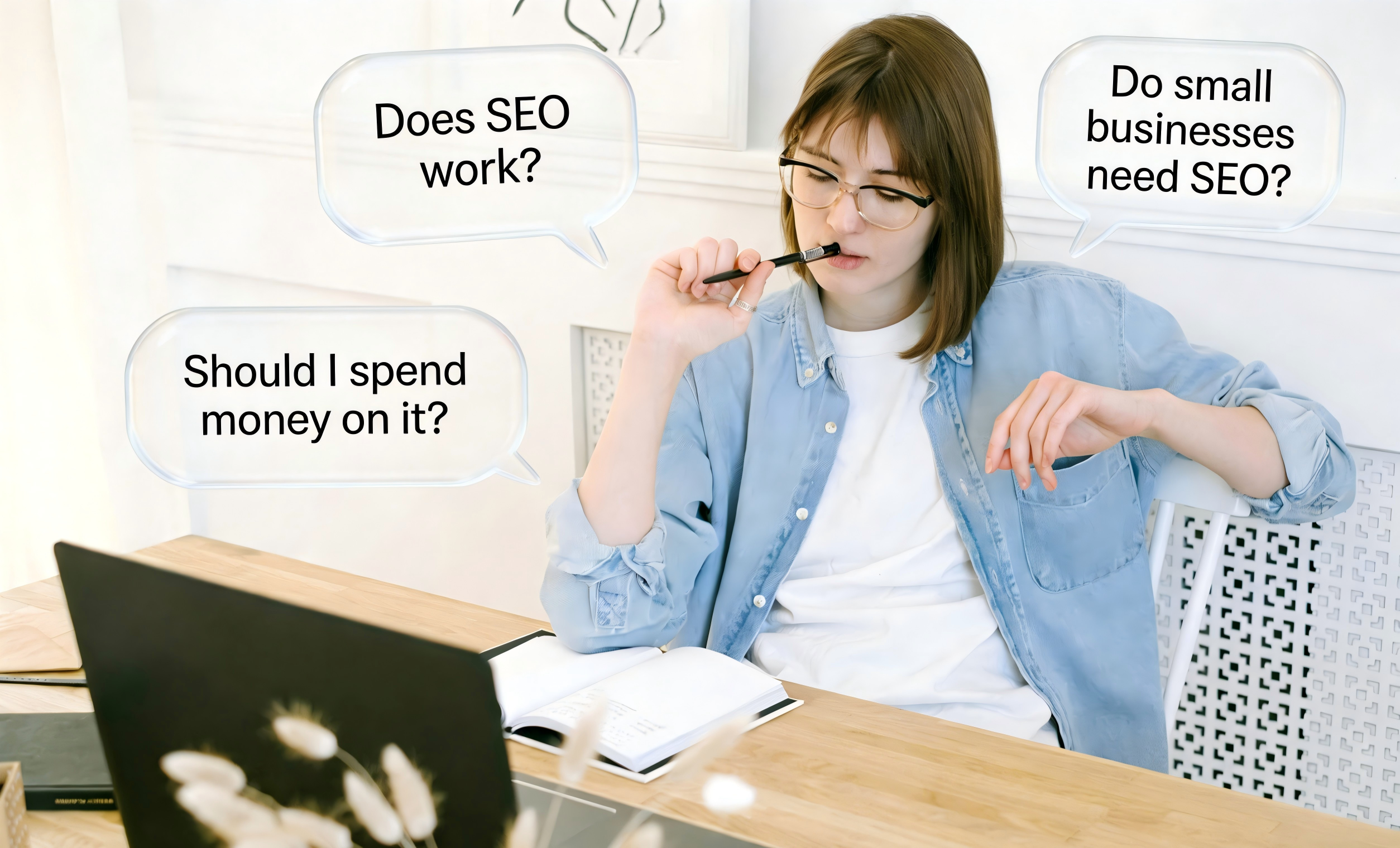
Search Engine Optimization (SEO) has become an effective marketing strategy in today's digital development. While many large corporations invest heavily in SEO, small business owners often wonder whether it's worth it. This guide explores why small businesses need SEO, the benefits it offers, and practical steps to get started.
Do Small Businesses Really Need SEO?
Do Small Businesses Really Need SEO?
The short answer is yes. Small businesses can benefit from SEO even more than larger companies. When potential customers search for products or services online, they may choose from the first few results that appear. Without proper SEO, your small business might remain invisible to these searchers, regardless of how excellent your products or services are.
Small businesses face unique challenges in the digital marketplace. Limited marketing budgets, fewer resources, and intense competition from established players make it difficult to gain visibility. SEO levels the playing field by allowing small businesses to compete based on relevance and quality rather than just advertising spend.
Unlike paid advertising, which stops generating results once you stop paying, SEO provides long-term value. A well-optimized website can continue attracting customers for months or years after the initial optimization work is complete. This makes SEO particularly valuable for small businesses that need sustainable, cost-effective marketing solutions.
Key Benefits of SEO for Small Companies
Increased Online Visibility
SEO helps your business appear when customers search for relevant terms. This organic visibility is particularly valuable because users trust organic search results more than paid advertisements. When your business ranks well for local searches, you become the go-to choice for customers in your area.
Cost-Effective Marketing
Compared to traditional advertising methods like print ads, SEO offers better return on investment. While it requires time and effort upfront, the long-term benefits far outweigh the initial costs. Small businesses can often handle basic SEO tasks internally, further reducing expenses.
Better User Experience
Good SEO practices improve your website's overall quality. Fast loading times, mobile-friendly design, and easy navigation benefit both search engines and your visitors. When users have a comfortable experience on your site, they're more likely to become customers and recommend your website to others.
Local Market Dominance
Local SEO helps small businesses dominate their geographic area. When someone searches for "plumber near me" or "best pizza in [city name]," proper local SEO helps your business appear prominently. This is particularly important since many consumers use mobile devices to find nearby businesses.
Competitive Advantage
Many small businesses still don't fully utilize SEO, creating opportunities for those who do. With effective SEO strategies, you can outrank competitors who neglect their online presence. This advantage becomes more pronounced in smaller markets where competition is less intense.
How Small Businesses Can Implement SEO
Start with Keyword Research
Understanding what your customers search for is fundamental to SEO success. Use tools like Google Keyword Planner or Ubersuggest to identify relevant keywords for your business. Focus on terms that accurately describe your products or services and have reasonable search volume. Long-tail keywords (longer, more specific phrases) often work better for small businesses because they face less competition.
Optimize Your Website Content
Create high-quality content that addresses your customers' needs and questions. They should include relevant keywords naturally, but avoid overstuffing. Each page should focus on a primary keyword while incorporating related terms. Write for humans first, then optimize for search engines.
Claim and Optimize Your Google Business Profile
This free tool is essential for local SEO success. Ensure your business information is accurate and complete, including your address, phone number, hours of operation, and website URL. Regularly update your profile with posts, photos, and responses to customer reviews. Encourage satisfied customers to leave positive reviews.
Build Local Citations
List your business in relevant online directories such as Yelp, Yellow Pages, and industry-specific platforms. Ensure your Name, Address, and Phone number (NAP) information is consistent across all platforms. Inconsistent information can confuse search engines and hurt your rankings.
Create Location-Specific Content
Develop content that relates to your local area. Write about community events, local news, or area-specific services you provide. This helps establish your connection to the local community and improves your chances of ranking for location-based searches.
Monitor Your Progress
Use Google Analytics and Google Search Console to track your SEO performance. These free tools provide valuable insights into your website traffic, keyword rankings, and user behavior. Regular monitoring helps you identify what's working and what needs improvement.
Frequently Asked Questions
Q: How long does it take to see SEO results?
A: Most businesses begin seeing improvements within 3-6 months of implementing SEO strategies. However, significant results often take 6-12 months or longer. SEO is a long-term investment.
Q: Can I do SEO myself, or do I need to hire professionals?
A: Small business owners can handle basic search engine optimization tasks themselves, especially local SEO. However, if you lack SEO expertise, it's best to entrust the work to a professional team to avoid penalties resulting from poor practices.
Q: How much should small businesses spend on SEO?
A: SEO budgets vary widely depending on your industry, competition, and goals. Many small businesses start with $500-2000 monthly for professional services, or dedicate 10-15 hours weekly to DIY efforts. If your budget is limited, try to contact the ProsearchLab team to get a reasonable quote.
Q: What's the difference between SEO and paid ads?
A: SEO focuses on earning organic (free) search rankings through optimization, while paid advertising involves paying for ad placement. SEO takes longer to show results but provides lasting benefits, while paid ads generate immediate traffic that stops when you stop paying.
Q: How do I know if my SEO is working?
A: Track metrics like organic traffic growth, keyword rankings, local visibility, and conversions from organic search. Increased phone calls, website inquiries, and foot traffic from online searches indicate successful SEO efforts.
SEO represents a valuable opportunity for small businesses to compete effectively in the digital marketplace. While it requires patience and consistent effort, the long-term benefits make it an essential component of a small business marketing strategy. Start with the basics, and gradually expand your efforts as you see results.
References
- Google for Small Business. (2026). SEO starter guide for small businesses. https://developers.google.com/search/docs/fundamentals/seo-starter-guide
- Moz. (2026). Small business SEO checklist: 15 essential steps. https://moz.com/learn/seo/small-business
- Ahrefs. (2026). Local SEO for small businesses: Complete guide. https://ahrefs.com/blog/local-seo-small-business/