
Escaping the Wikipedia Trap: How Technical SEO Turned a Biotech Database into a Revenue Engine
JOIN THOUSANDS
of subscribers who get fresh content to help their business weekly.
of subscribers who get fresh content to help their business weekly.
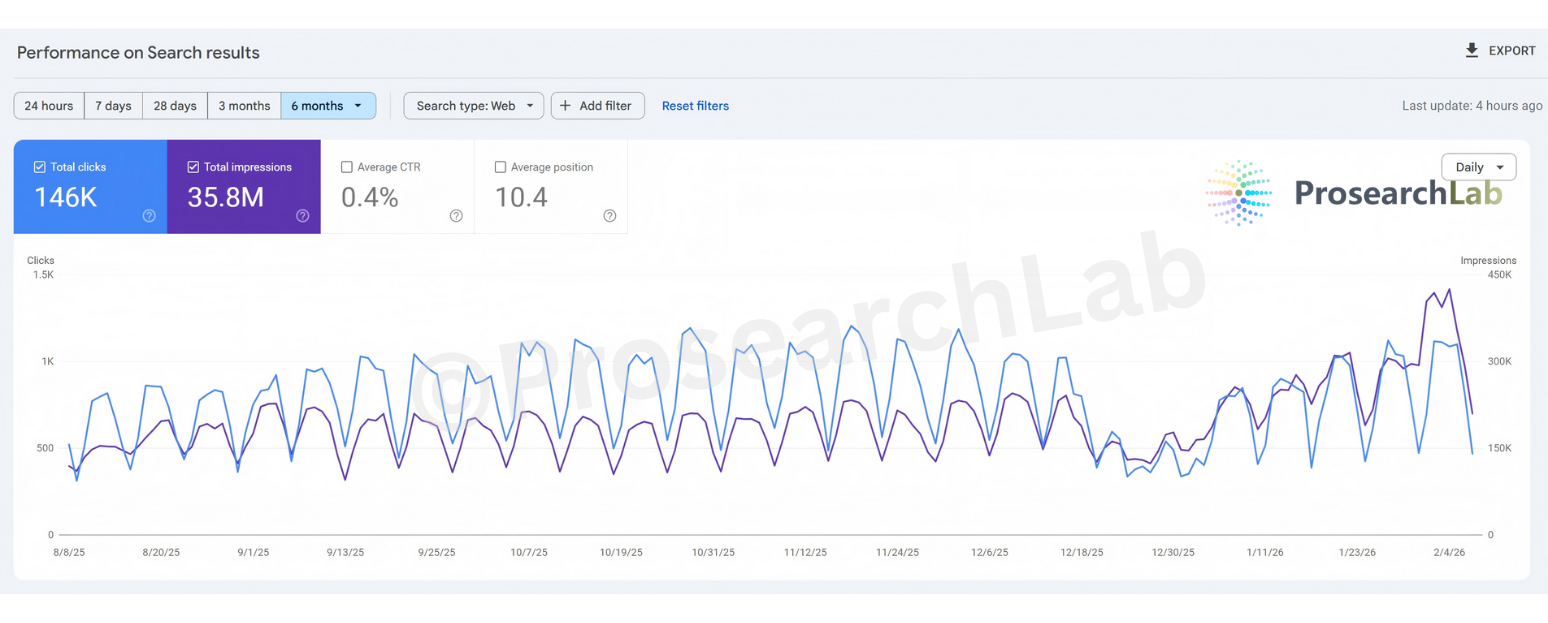
Figure 1. The Lab Pulse Validation & Q1 Breakout.
Client: Global Life Science Reagent Supplier (500k+ SKUs)
Service: Technical SEO & Programmatic Data Architecture
Timeline: August 2025 – February 2026
When we audited the client’s domain, the top-line metrics were deceptive. The site generated 35.8 million impressions over six months, but the Click-Through Rate (CTR) stagnated at 0.4%.
For a generic blog, this might pass; for a B2B e-commerce platform, it signaled a catastrophic misalignment in search intent. The site was suffering from the Wikipedia Trap.
Google’s algorithms had indexed the client’s 500,000 product pages as informational definitions rather than commercial offers. A researcher searching for "p53 pathway" would land on the page, read the biological description, and leave. The site was functioning as a free library for students, rather than a procurement catalog for lab managers. We needed to shift the algorithmic understanding of the domain from educational resources to the scientific marketplace.
We moved beyond traditional on-page optimization and executed a programmatic technical overhaul focused on three core pillars:
1. Programmatic Taxonomy & Entity Optimization
Manual optimization is impossible at the scale of 500,000 SKUs. We utilized Python-based automation to restructure the metadata logic across the entire database.
Instead of targeting broad keywords, we re-engineered the title tags and H1 headers to map directly to Procurement Entities. We injected precise identifiers—specifically CAS Numbers, Clone IDs, and Host Species—into the front-load of every title.
[Target Name] - [Company] to [Target Name] [Clone ID] [Application: WB/IHC], we signaled to Google’s NLP (Natural Language Processing) algorithms that these pages were specific experimental tools, filtering out 90% of non-transactional "homework traffic."2. Nested JSON-LD Schema Architecture
To fix the CTR, we had to change how the search result looked. We didn't just add basic schema; we deployed a Nested Product & Offer Schema architecture.
We dynamically mapped the client's inventory database to Google’s Merchant Center feed specifications. We injected ItemAvailability (In Stock), PriceSpecification, and ShippingDetails directly into the page code.
3. Crawl Budget & Index Pruning
With millions of potential URL variations (due to filters like size, conjugate, and concentration), the site was suffering from index bloat. Googlebot was wasting resources crawling duplicate content.
We implemented aggressive canonicalization logic and parametric handling in the robots.txt file, consolidating authority from thousands of variant pages into single, authoritative "Parent Product Pages." This concentrated the ranking power and pushed core keywords from Page 2 to the Top 3 positions.
The Google Search Console performance graph (Figure 1) validates the precision of this strategy.
The "Lab Pulse" Pattern:
The graph exhibits a rigorous, mechanical Monday-Friday high / Weekend low cycle. Traffic drops ~60% every weekend. This "Sawtooth" pattern is the heartbeat of the laboratory industry, confirming that our technical filtering successfully isolated professional researchers accessing the site via institutional IPs, eliminating consumer noise.
The Strategic Pivot (Dec - Jan):
The dip in late December reflects the global academic holiday shutdown. We utilized this predictable downtime to deploy our final code updates.
The Q1 Breakout:
The results materialized instantly in January 2026. As shown on the far right of the graph, both Impressions (Purple) and Clicks (Blue) broke previous records. This wasn't accidental; it was synchronized with the Q1 Academic Grant Release. By having our "Commercial Intent" architecture fully indexed and ranking by January, we positioned the client to capture the surge in new fiscal year procurement budgets.
Handpicked insights from the ProsearchLab editorial team


